How to Investigate an Intersection Accident After a Rear-End Collision
Understanding the Challenges of an Intersection Accident
Intersection accidents are among the most complex traffic incidents to sort out. Multiple vehicles, changing traffic signals, and conflicting accounts of who had the right of way can turn a straightforward rear-end collision into a dispute about fault. If you have been rear-ended at an intersection, you know that the other driver might claim you stopped suddenly or that the light was green for them. Sorting out what really happened takes a methodical approach. This article walks through the steps to investigate such an accident so you can build a clear picture for your insurance claim or legal case.
Step 1: Secure the Scene and Document Immediately
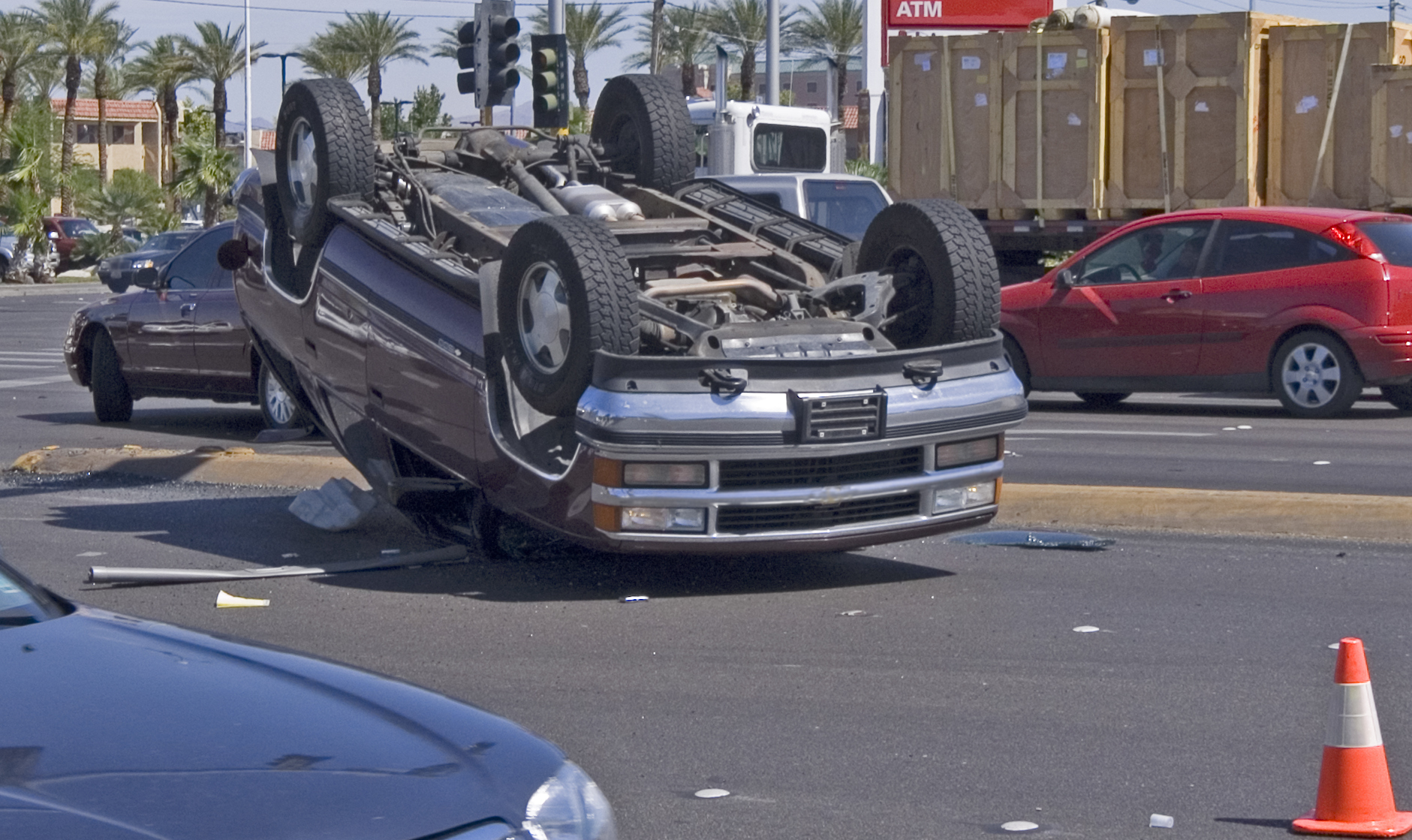
Right after the collision, your priority is safety. If anyone is injured, call 911. Once it is safe to move, take photos and notes before vehicles are moved. Capture the position of both cars, the traffic signal if it is still visible, lane markings, and any debris. Also photograph the damage to both vehicles from multiple angles. The impact direction and the location of damage on each car can tell a lot about how the crash happened. For example, a rear-end collision at an intersection often leaves the front of one car damaged and the rear of the other. But if the impact was at an angle, it might suggest one driver was turning or changing lanes. Write down the time of day, weather conditions, and the exact location. Exchange insurance and contact information with the other driver, but avoid discussing fault at the scene. Anything you say might be used against you later.
Step 2: Identify Witnesses and Obtain Their Statements
Witnesses can be the key to resolving a disputed intersection accident. Look around for other drivers, pedestrians, or nearby business employees who may have seen the crash. Ask for their contact information and a brief statement of what they saw. If the other driver claims you ran a red light, a witness who saw the light green for you can change the entire direction of the case. Similarly, a witness who saw the other driver speeding or distracted can help establish fault. Write down their accounts in their own words as soon as possible. Memory fades quickly, and a written statement taken at the scene is far more reliable than one given weeks later. Also check if any nearby businesses or traffic cameras might have recorded the incident. Note the location of those cameras and request the footage promptly, as many systems overwrite old recordings after a few days.
Step 3: Gather Police Report and Official Records
If the police responded to the accident, obtain a copy of the police report. The report will include the officer's observations, a diagram of the scene, and often a preliminary determination of fault. While the police report is not the final word on liability, it is an official document that insurance companies and courts take seriously. Review the report carefully for errors. Common mistakes include wrong vehicle descriptions, incorrect time or location, or misstatements about who had the right of way. If you find errors, you can request a correction or submit a supplemental statement. Also ask the officer if they cited anyone for a traffic violation. A citation for running a red light or making an unsafe lane change can be strong evidence of fault in a civil claim.

Step 4: Preserve Vehicle Data and Physical Evidence
Modern cars are equipped with event data recorders, often called black boxes, that capture information just before and during a crash. This data can include speed, brake application, steering angle, and throttle position. If your vehicle or the other driver's vehicle has a black box, the data can be retrieved by a qualified technician. This evidence is especially valuable in rear-end collisions because it can show whether the following driver was speeding, failed to brake, or was distracted. Even if the other driver claims you stopped abruptly, the black box data might show that you were stopped for several seconds before the impact, which would indicate the other driver was not paying attention. Preserve the vehicle in its post-crash condition until you have documented everything. Do not repair the damage until the insurance adjuster or your attorney has had a chance to inspect it. The vehicle damage pattern can be a powerful piece of evidence. For example, if the rear of your car is damaged high up, it might suggest the other driver was driving a larger vehicle or had their brakes applied hard, causing the front of their car to dip. Each detail matters.
Step 5: Understand Comparative Fault and Your Rights
California follows a pure comparative fault system. This means that even if you are partially at fault for the accident, you can still recover compensation, but your award is reduced by your percentage of fault. For instance, if you are found 20 percent at fault for failing to signal before turning, and your total damages are $100,000, you would receive $80,000. In an intersection accident, the other driver's insurance company might argue that you contributed to the crash by making an unsafe turn or by stopping abruptly. To counter that, you need to gather evidence that shows the other driver had the last clear chance to avoid the collision. Steps one through four are designed to build that evidence. If the dispute is significant, consulting with a personal injury attorney who handles rear-end collision cases is a wise move. An experienced lawyer can help you navigate the complexities of comparative fault and ensure that your rights are protected. When you need legal guidance, seeking representation for an intersection crash from a qualified professional can make a substantial difference in the outcome of your case.
Step 6: Document Your Injuries and Losses
Beyond the vehicle damage, your injuries and related losses are a central part of any claim. Seek medical attention right away, even if you feel fine. Some injuries, like whiplash or soft tissue damage, may not be apparent for hours or days. Follow your doctor's treatment plan and keep records of all medical visits, diagnoses, and bills. Also document any time missed from work, out-of-pocket expenses, and any impact on your daily activities. This documentation will be used to calculate your damages, which include medical expenses, lost income, pain and suffering, and other losses. Insurance companies will often try to minimize your claim by arguing that your injuries are pre-existing or not as serious as you claim. Having thorough medical records and a consistent treatment history helps counter those arguments. If you are unsure about how to value your claim, speaking with a lawyer can give you a realistic picture of what your case is worth.
Putting It All Together
Investigating a disputed intersection accident is a systematic process. Start by securing the scene and documenting everything. Gather witness statements and police reports. Preserve vehicle data and physical evidence. Understand how comparative fault works in California. And document your injuries and losses carefully. Each piece of evidence you collect builds a foundation for your claim or legal case. If the other driver's insurance company disputes liability, that evidence becomes even more critical. For those who need legal help, seeking representation for an intersection crash from a knowledgeable attorney can ensure that your side of the story is fully presented and that you receive the compensation you deserve. By following these steps, you take control of the situation and give yourself the best chance for a fair resolution.
